
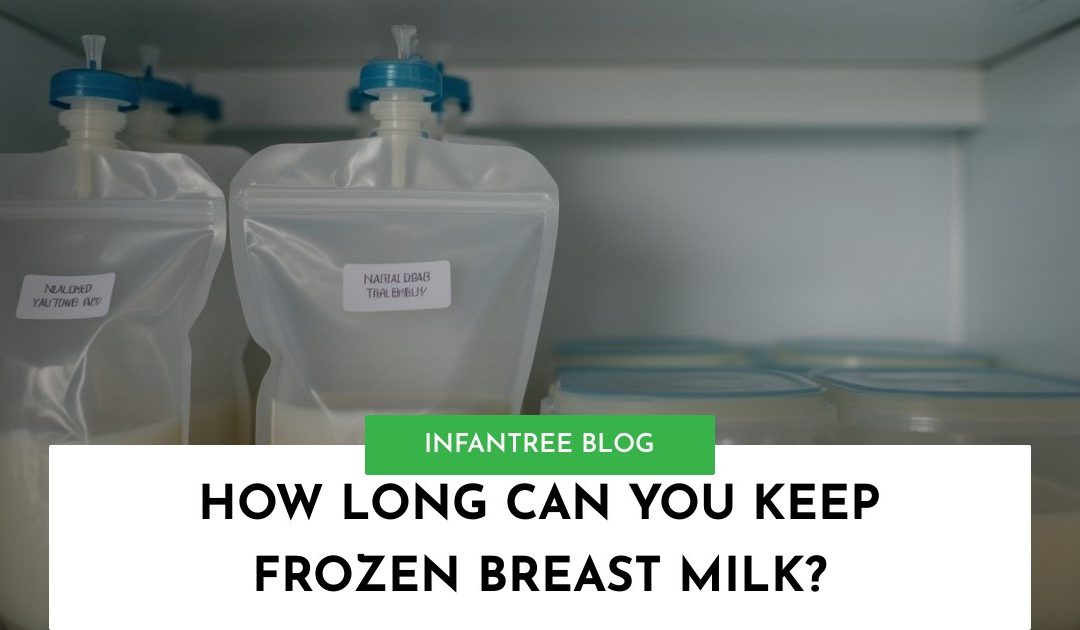
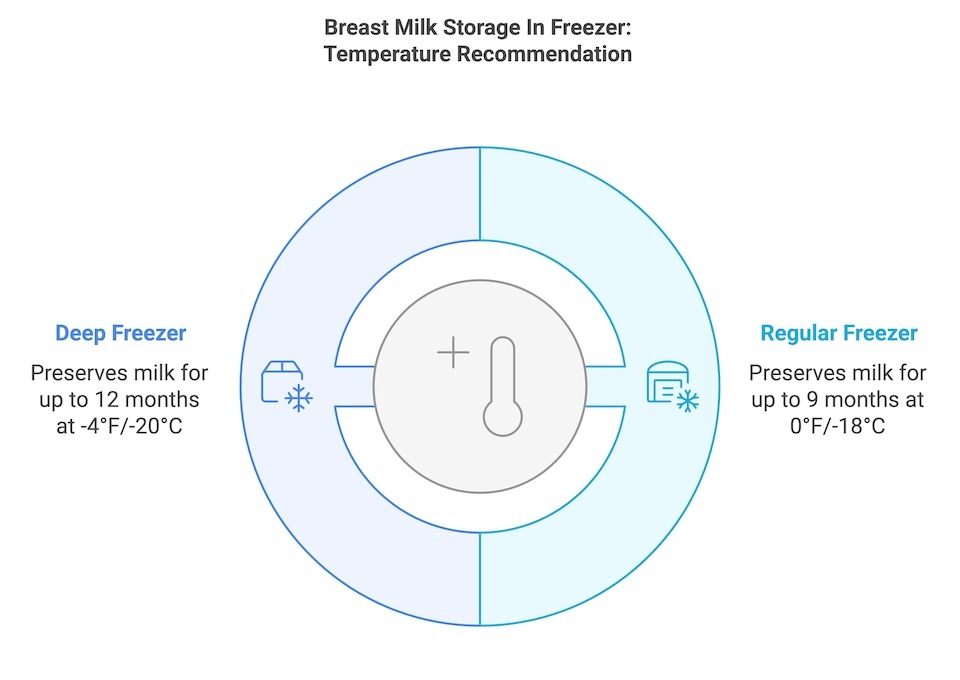
When stored properly, breast milk can last in a regular freezer (0°F/-18°C) for up to 9 months, though using it within 6 months ensures the best nutritional quality. If you have a deep freezer (-4°F/-20°C), breast milk can be stored for up to 12 months, but again, using within 6 months is recommended for optimal benefits.
Why Mothers Choose to Freeze Breast Milk
Freezing breast milk has become increasingly common among mothers for several important reasons. Working mothers often need to maintain a steady milk supply for their babies during work hours. Others may freeze milk to manage an oversupply or prepare for emergencies. Some generous mothers even choose to freeze their excess milk for donation to help babies in need.
Choosing the Right Storage Container
The choice of storage container significantly impacts milk preservation. Glass containers, particularly 4-6 oz mason jars, offer a durable and non-toxic option. Always leave space at the top for milk expansion when using glass containers, and use BPA-free lids for safe long-term storage.
Silicone storage options provide another space-efficient solution. Many mothers start by freezing milk in silicone trays and then transfer the frozen portions to larger silicone bags. These bags can be repurposed for other storage needs later.
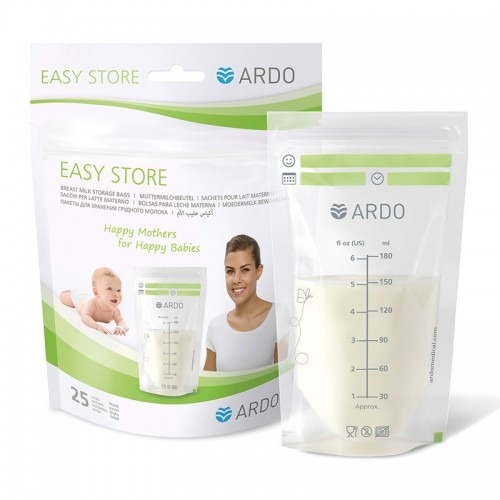
For a more convenient solution, many mothers prefer milk storage bags, and ARDO Easy Store Milk Storage Bags are particularly well-suited for this purpose. These BPA-free bags are designed specifically for long-term breast milk storage, keeping milk safe for up to 12 months when properly frozen. Their double zip closure system prevents leaks, while the self-standing design makes them easily stackable in the freezer. Being odourless and tasteless, these bags ensure your breast milk maintains its natural properties throughout storage.
Proper Storage Temperature and Location
Temperature consistency is crucial for maintaining milk quality. In a regular freezer (0°F/-18°C), breast milk maintains its quality for up to 9 months. Deep freezers, which maintain temperatures around -4°F/-20°C, can preserve milk for up to 12 months.
Always store milk at the back of the freezer, away from the door. This location helps maintain a consistent temperature and prevents the frequent temperature fluctuations that occur near the freezer door.
Essential Labeling Practices
Proper labelling helps track your frozen milk supply effectively. Include the date of expression and the use-by date on each container. If the milk will be used at daycare, also note the amount of milk and your child’s name. This organized approach ensures proper rotation and usage of your stored milk.
Safe Thawing Methods
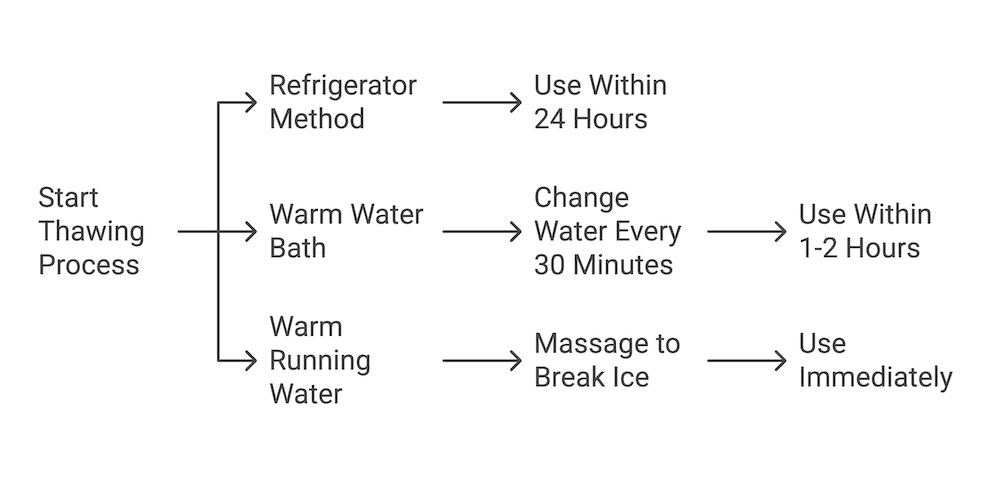
When it’s time to use your frozen milk, you have several thawing options:
The refrigerator method is the slowest but safest approach, taking 12-24 hours. Once thawed, use the milk within 24 hours. For quicker thawing, place the sealed container in warm (not hot) water, changing the water every 30 minutes. This method takes 15-30 minutes, and the milk should be used within 1-2 hours.
The fastest option is holding the container under warm running water while gently massaging to break up ice chunks, taking about 5-10 minutes. Never refreeze thawed breast milk.
Identifying Spoiled Milk
Fresh breast milk naturally separates into cream and milk layers, which should remix easily with gentle swirling. Watch for warning signs of spoilage, such as chunks that won’t remix, unusual discolouration, or unpleasant odours. While some frozen milk may have a slightly metallic or soapy smell due to lipase enzyme activity, sour or rancid odours indicate spoilage.
Remember that the nutritional value of breast milk begins to diminish after 6 months of freezing, even when stored properly. By following these storage guidelines, you can ensure your baby receives safe, nutritious breast milk even when feeding directly from the breast isn’t possible.