
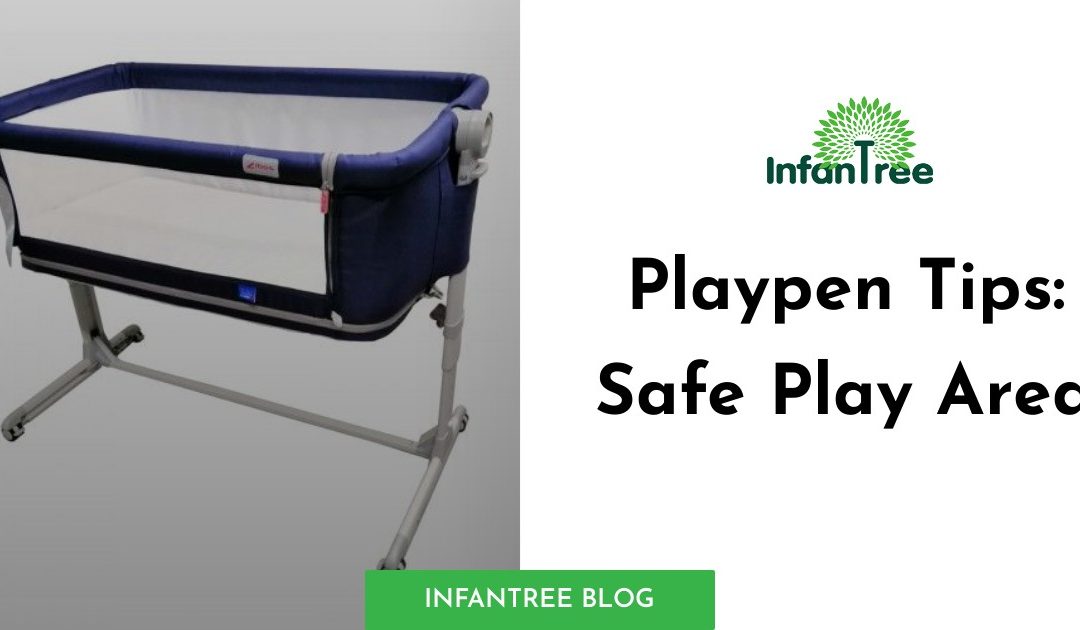
Parenting in HDBs in Singapore is tough. Limited space means we can’t create safe play areas for our toddlers, and we worry about safety and supervision.
A safe play area is important for young children to explore hazard-free. Setting up a baby’s playpen correctly is crucial, as it provides a safe space for toddlers to play while we do our daily tasks or work from home.
With some arrangement, playpens can turn small living areas into a fun and safe space for our little ones.
Benefits of a Baby Playpen
A baby playpen offers numerous benefits for your child’s physical and cognitive development. By providing a safe and contained space, playpens allow young babies to explore and play independently, which is essential for developing their motor skills, hand-eye coordination, and problem-solving abilities. The freedom to move around, crawl, and walk within the playpen promotes physical development while minimizing the risk of injury. Additionally, equipping the playpen with age-appropriate toys and activities can stimulate cognitive development. Sensory toys, music, and books can engage your baby’s senses and encourage learning through play. A baby playpen is not just a safe space; it’s a nurturing environment that supports your child’s growth and development.
Safe Play Zone Setup
Setting up a safe play area starts with childproofing your entire home. A play yard offers a safe and spacious environment for babies to explore and play freely. Before setting up the playpen, make sure your whole house is baby-proofed. Here are some steps to consider:
1. Secure furniture
Anchor tall furniture like bookshelves and dressers to the wall to prevent tipping.
2. Cover sharp edges
Use corner protectors on tables and other furniture with sharp edges.
3. Remove hazards
Keep small items, cords and anything that could choke our little ones out of reach.
Once your home is baby-proofed, focus on the area where the playpen will be. The right flooring can make a big difference in the safety of your toddler’s play zone. Consider these:
- Thick, shock-absorbent mats or playmats: These cushion falls and make playtime more comfortable. Look for mats made from non-toxic materials that are easy to clean.
- Soft carpets or rugs: If you prefer a softer feel, go for plush carpets that can absorb impact, but make sure they are securely anchored so they don’t slip.
After the flooring, it’s time to secure the playpen itself. Stability of the playpen is important to prevent accidents during playtime. Here are some tips:
- Check for stability: Place the playpen on a flat surface away from potential tipping hazards like stairs or uneven flooring.
- Inspect regularly: Check all joints and fasteners frequently to make sure they are still tight and secure.
- Don’t overcrowd: While toys are important, overcrowding can cause tipping. Keep the space within the playpen organized and clutter-free.
By following these tips, you can create a safe space for your little one to explore while you do your tasks at home.
Choosing the Right Playpen
Choosing the right playpen for your toddler involves a few key considerations, especially in Singapore’s HDB settings. Here’s how to make the right choice:
1. Size Matters
Look for a playpen that fits into your living area. Compact is key in smaller homes. Measure your space and go for a playpen that has enough room for your child to play without overwhelming your living area.
Portability and Foldable Playpen
Many parents love playpens that can be moved around the home. Models with lightweight frames and foldable designs, such as a foldable playpen, are flexible, allowing you to move the playpen from room to room or bring it along when visiting family or friends.
3. Airflow and Visibility
Choose a playpen that has airflow and visibility. Many playpens are suitable for both indoor and outdoor use, offering durability and UV protection features. Mesh sides are a great feature, and they allow air to circulate while you can see your little one. This visibility is important to monitor your child’s activities and ensure their safety during playtime.
4. Easy to Clean Materials
Hygiene is important especially with toddlers who explore through touch and taste. Look for materials that are wipeable or machine washable. Fabrics with antimicrobial treatment can also help keep it clean, so you can have peace of mind while your child plays.
Besides these features, consider the build quality of the playpen. Stability and durability will provide a safe space for your child to grow and explore.
Finding the right balance between function and safety means your child’s play area will be fun and fits into your home life.
Age and Usage Guidelines
It is essential to follow age and usage guidelines when using a baby playpen to ensure your child’s safety and maximize the benefits. Generally, playpens are suitable for babies from birth to around 2-3 years old, but the specific age range may vary depending on the type of playpen and your child’s individual development. Here are some general guidelines:
- Newborns (0-3 months): Playpens can be used for supervised sleep and playtime. It’s crucial to follow safe sleep practices, such as placing your baby on their back and ensuring the playpen is free from any hazards.
- Infants (4-6 months): Playpens are great for playtime and tummy time. Always supervise your baby and ensure the playpen is stable and secure.
- Babies (7-12 months): At this stage, babies can start to play independently in the playpen. Supervision is still necessary to ensure safety and security.
- Toddlers (1-2 years): Playpens can be used for playtime, but it’s essential to ensure the playpen is stable and secure, and that your child is not trying to climb out.
By following these guidelines, you can create a safe and enjoyable play environment for your child at every stage of their development.
Playpen Safety
A safe play environment is more than just setting up a playpen. Here are the essentials to keep your little one safe while they play and explore.
Right Padding
Using the right padding inside the playpen is important for safety during playtime. A tummy time pillow can also enhance your baby’s playtime by providing extra support and comfort, making tummy time more enjoyable and aiding in muscle development. Consider these:
- Thick Foam Mats: These mats will cushion falls and reduce the risk of injury.
- Washable Playmats: Choose materials that can be washed, spills and messes will happen.
Make sure the padding fits snugly inside the playpen to avoid tripping hazards or gaps where little fingers can get caught.
Safe Toy Selection
Selecting toys for your child’s playpen requires some thought. Remember:
- Choking Hazards: Check for small parts that can choke. Toys should be bigger than your child’s mouth.
- Non-Toxic Materials: Choose toys made from safe, non-toxic materials free from harmful chemicals.
- Age Appropriateness: Always choose toys that are suitable for your child’s age and stage.
Inspect toys regularly for wear and tear and discard any that are damaged.
Supervise Always
Even with a safe playpen, supervision is key. Here’s why:
- Unsupervised sleep in a playpen can pose significant risks, including suffocation and entrapment, as playpens may not meet the safety standards required for cribs.
- Unexpected Events: Children can be unpredictable. A moment of distraction can lead to an unexpected event, even in a contained space.
- Encouraging Exploration: Active supervision allows you to join in with your child during playtime and development through play.
Keep your phone nearby, but be present. Being with them not only means safety but also builds a strong bond between you and your child.
Play Activities
A stimulating environment inside the playpen is important for your child’s development. Here are some tips:
1. Toy Rotation
Changing the toys in the playpen regularly will keep your toddler engaged and not overwhelmed. Introduce one or two new toys each week and remove others to keep them interested and curious.
Educational and Age Appropriate Toys
Choose educational toys that are fun and promote growth. Consider:
- Stacking blocks that develop fine motor skills and hand-eye coordination.
- Sensory balls for tactile experiences and exploration.
- Musical instruments for auditory learning and rhythm recognition.
3. Playtime Schedule
Having a playtime schedule will give your child a sense of security. This predictability will encourage them to engage and interact with their environment. Break up the day into short sessions of different activities, alternating between active play and quiet time for balance.
A balanced approach to play activities in the playpen will support your child’s development and help you manage your time while working from home.
Playpen Cleaning and Maintenance
A clean playpen is essential for your toddler’s health and safety. Regular cleaning prevents bacteria and allergen buildup and creates a safe play space. Here are some tips to keep your playpen clean:
1. Daily Wipe Down
Use a damp cloth with mild soap to wipe surfaces daily. This quick task removes crumbs and dirt that accumulate during playtime.
2. Deep Clean
Do a deep clean weekly. Disassemble any removable parts and wash them according to the manufacturer’s instructions. Check for loose fabric or components that need repair or replacement.
3. Use Safe Products
Use non-toxic cleaners to avoid exposing your child to harsh chemicals. Vinegar and water is a great and safe alternative to disinfect surfaces.
4. Check for Wear and Tear
Regularly check for damage, such as frayed edges or broken parts. Repair promptly to keep the playpen safe and functional.
5. Store Properly
If you need to store the playpen, ensure it’s clean and dry to prevent mould growth. Use storage bags for baby gear to keep it dust-free.
Cleaning the playpen is not only for hygiene but also for a comfortable space for your child to play.
Recommended PlayPen: ZIBOS Anta Bedside Crib/PlayPen
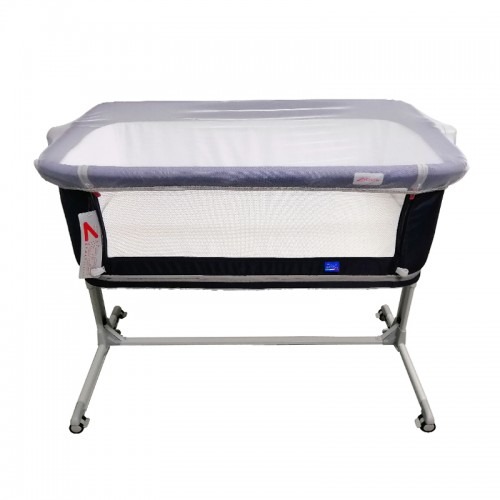
When looking for a playpen for your little one, the ZIBOS Anta Bedside Crib/PlayPen is an excellent option for parents in Singapore’s HDB. Its versatile design can be used as a crib and playpen as your child grows.
ZIBOS Anta Features
1. Dual Functionality
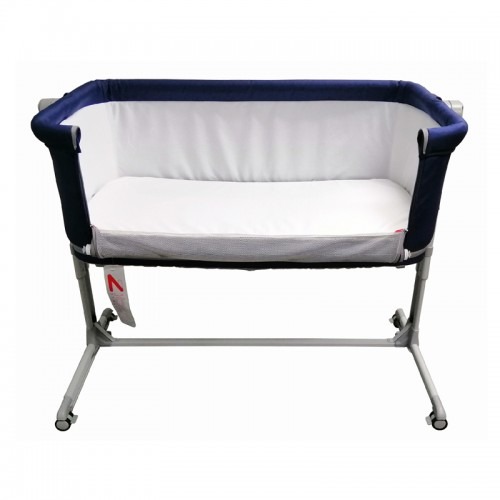
This converts from a cosy crib to a safe playpen. At night, it’s a bedside crib for easy feeding and comforting your baby. Additionally, it can function as a baby lounger, providing a comfortable position for babies during and after breastfeeding. During the day, it becomes a play space for your child to play while you attend to household chores.
2. Safety Certifications
ZIBOS Anta meets safety standards, so your child can play safely. Parents can rest assured that this product has been tested to meet or exceed safety requirements.
3. Portability
Designed for the Singaporean lifestyle, the ZIBOS Anta is lightweight and easy to move. Whether you’re rearranging rooms or heading to a family gathering, its portability makes it hassle-free. A must-have for busy parents who need flexibility without compromising on safety.
Besides functionality and safety, the ZIBOS Anta’s design is sleek and modern. It fits well in compact HDB spaces and has enough room for your toddler to play and explore safely. The thoughtful design addresses practical needs and keeps your home looking good too.
Picking the right playpen can make all the difference in creating a safe play space for your little one. With the ZIBOS Anta Bedside Crib/PlayPen, you can be sure you’ve made the right choice and support your child’s development through play.
End
A safe play space is crucial for your child’s development and exploration. A playpen is a great tool to achieve that.
Know more so you can give more and enjoy parenthood.
Read more parenting tips from our blog.